
Introduction
No huge choice and one lifestyle change will result in family wellbeing. It is built up as they make up to the decisions they make on a daily basis, practices that are of common use, the way people in the family are inclined to assist one another in trying moments and happy moments. The families are able to support each other by having emotional balance, physical health, communication, and support to each other, which enables the families to create the environment where all the participants feel safer, stronger, and more connected in the long run.
The contemporary hectic society has been typified by heavy families being dragged into various directions by work and schooling demands, distractions of the internet and emotional pressure. Provided that they are not addressed attentively and thoughtfully, these issues can harm the wellbeing of families without being addressed in a soundless manner. The focus on family wellbeing will help the families to slow down and find out what must be, and also to form habits that may offer sustainability of health and harmony to everyone within the household.
Even though family wellbeing does not guarantee that a family is always perfect, happy. It is stability, understanding and giving space to grow together. By learning effective ways of operating that would assist in maintaining physical wellbeing, emotional needs, mental strength and healthy communications, families would gain a steady foundation that will equip children, parents and caregivers to make it through each stage of life.
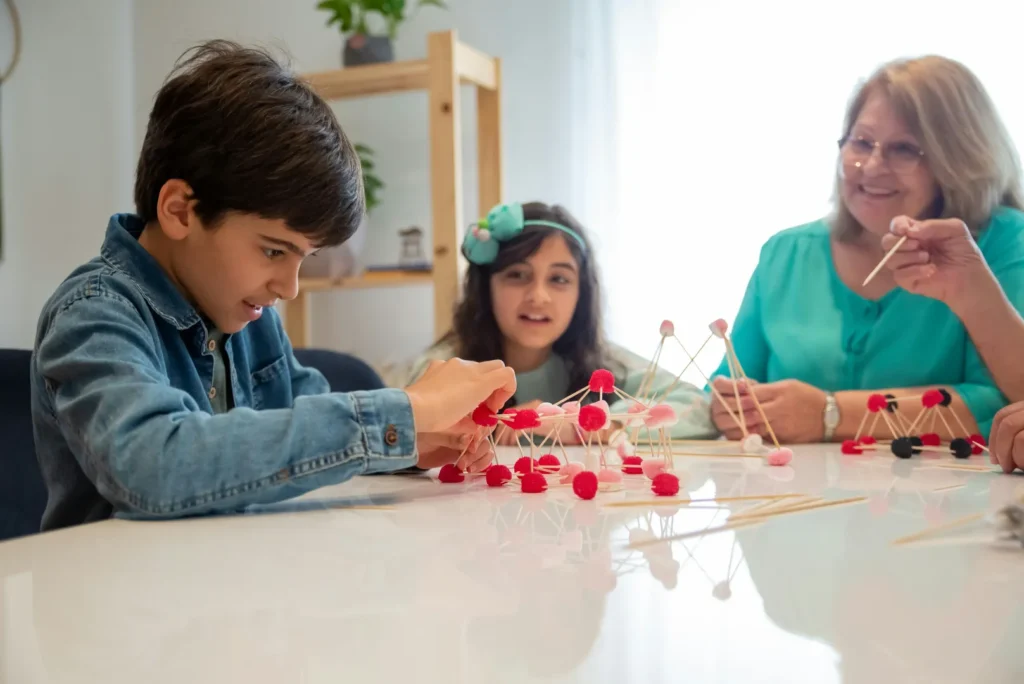
Making a thought about Family Wellbeing.
The wellbeing of a family can be termed as the overall health and stability of a family like the physical health, emotional health, mental health and good family relations. It appreciates the fact that the health of each member of the family affects the others and there is a usual mood of emotional and physical space that provides the daily living. The impact of a poor person is normally experienced by the entire family in which case there is an obligation of taking care of each other.
Family wellbeing should be of high level that encourages openness, trust and mutual respect. Family members are not afraid to express feelings, demand help and to comfort one another without being judged. This emotional safety gives them the feeling of power and certainty in the families that they may undergo conflict, change and uncertainty with greater confidence and patience.
Good wellbeing of families can be improved through other routines that include healthy eating, proper sleep, exercise, and time together. The practices introduce sanity, predictability and these are especially important to children and the elderly who require predictability in their feelings.
As soon as the families become concerned with wellbeing, they do not become particularly concerned with the short-term stress, but with the long-term health. They do not simply respond to the occurrence of issues, but they develop a habit of responding to the issue in a way that reduces the level of stress, enhances relationships and improves the personal growth of all the people in the family, as a way of responding socially.
The Family Wellbeing of Communication Thesis.
Open and open communication is among the most critical aspects of the family wellbeing. Listening and hearing the family members will enable them to express their concerns, express their feelings in order to seek solutions to their problems. Effective communication brings about trust and misunderstandings do not lead to a fight that may last long.
Active listening is also relevant in improving the wellbeing of the family. This means that one can listen to the interlocutor as a whole, to him/her, to demonstrate that you know what it is like, and to feel empathy rather than condemnation. By speaking to each other not ignoring feelings and interrupting, the family members will create the inspiring environment where each of them will feel valued.
The family can also achieve expectations, boundaries and common objectives through effective communication. Raised responsibilities, schedules and rules are openly discussed at home reducing the chances of misunderstanding and disappointment. It allows the families to collaborate and not as individuals struggling to get time, space and attention.
Family dinners and home visits that are made periodically can be used as areas of communication to ensure that there is emotional attachment. These cases will have opportunities to celebrate the achievements, communicate and work out challenges at an early stage, and impose the sense that every person is worthwhile and relevant to the family.

Aiding One another Emotionally as a Family.
Emotional health is the critical aspect of family wellbeing. The families that are aware of and are affirmative with feelings provide the family members with a secure space whereby they can express themselves without fear. This is achieved through emotional receptivity which allows children to gain healthy coping and adults to handle stress situations more effectively.
It is through modeling that emotional awareness is learnt. The children learn that feelings are natural and can be controlled by their parents and other caregivers raising their voices about their feelings, as well as demonstrating them effective ways of coping with stress. This builds emotional strength and intelligence which comes in handy in life.
Emotional support also presupposes the possibility to treat a person in case she needs more attention. Stress, anxiety, grief, and exhaustion may be experienced by any member of the family. Patience, compassion, and encouragement in times of trouble will make the family closer and prevent emotional solitude.
The emotional needs should be discussed as much as the physical wellbeing of the family and this results into family wellbeing. Rest, relaxation, and emotional expression discourage burnout, and more relaxed and benevolent atmosphere at home is created.
Healthy body as an antecedent to Family wellbeing.
The physical health is directly related to the family wellbeing. In the situations when the family appreciates the concept of healthy practices in the joints, it also helps in maintaining energy and mood balance, and in the long-term health of the members of the family. The joint physical exercises and healthy meal also improve family bonds.
Having a healthy eating pattern with the family encourages healthy nutrition and healthy food attitudes. Eating in common, choosing well-balanced meals, and cooking food at home is also valuable to inculcate healthy habits in children not only during their lifetime but also to bring about intimacy and communication.
Physical and mental fitness can be achieved with exercise. At home exercises, family walks, and outdoor playing provide time to spend with one another because the stress levels lowered, and the general fitness was enhanced. Such collaborative programs increase the perception of health as a shared agenda.
A good family wellbeing is also the sleep and rest. Establishing the sleep routine will help in temperament control, increased concentration, and improved immunity. When families learn to value rest as a shared value, it will be of benefit to everybody to have more energy and emotional balance.
Offering a Supportive Home Environment.
The home environment plays a significant role in guaranteeing the family well being. The house should be welcoming, cozy, and comfortable so that the family members can rest and recover. Even the slightest changes in the way of life and environment can go a long way toward relieving the stress and simplifying the life significantly.
Mental overload may be minimized through tidying up and creating orderly spaces. The members of the family can focus more easily, be less frustrated, and have greater peace with orderly setting of the environment at the home. Even the slightest changes, such as special zones where one may rest, are enough.
Routine provides one with some stability especially the children. The level of knowledge of the day to day events reduces anxiety and gives a person a control over the emotions. There is also an ease of allocation of the responsibilities with no clash or misunderstanding since there are routines.
The esteem of personal boundaries is also a positive home environment. With time and space provided to all family members to exercise self interests, the family members will become independent and maintain close relationship within the family. The clues to the long-term family wellbeing are social proximity and personal space.
Teaching Children about the Value of a Happy Family.
Most children learn about the notion of wellbeing by observing it. Healthy habits, care, and respect in families would be internalized in children. Children taught about family wellbeing would have tools that they would carry into the adult life.
The responsibility and the involvement should be promoted since it makes the children feel that they are valued and capable. Making them participate in activities, which suit their age and decision making, bring confidence and sense of belonging. Such collective duty helps to reinforce the efforts of teams and respect among one another in the family.
The kids are also supposed to be taught about how to overcome feelings that make them tougher. They will be prepared to handle challenges both at home and in the outside world through the learning on how to share feelings, resolve problems and also get support.
The wellbeing of the family should also be taught empathy and kindness. Teaching children about the necessity to listen to the feelings and thoughts of other individuals helps them become more socially developed and have more relations with their family members and peers.
Stress management: The family life.
The other unavoidable phenomenon in the modern life within families is stress but how families manage stress is a significant factor that determines the health of the family. Addressing the problem as a team will be used to prevent the buildup of stress that will destroy relationships in the future.
General talk about stressors makes the family members feel that they are not lonely but they are supported. The stress may be work or school stress, health problems or change in life but talking about the concerns allows the family to find the way to solve the problem as a group and also reduces stress or emotional strain.
The mechanisms of family resiliency are improved by forming shared coping mechanisms. This may include a relaxation time, outdoor activities, mindfulness classes or even a good time together. Their mutual experiences give them comfort and emotional bonds.
Healthy family care also entails the understanding that one has to consult a professional. A demand to the health care givers, counselors or the community means that one is not weak and committed to family health.
The balance between Family Connection and Technology has been struck.
Technology could offer and also demand family wellbeing. Even though it is more convenient and connected, excessive spending at the screen can reduce the face-to-face communication and stress people. The family needs to have a healthy balance of relations.
Creating regulations concerning screen time helps to protect family time and psychological health. Establishing phone-free moments such as meals or bedtime will be used to converse meaningfully and share quality relationships with the family members.
Technology can be used to enhance family wellbeing through its purposeful use. Video calls with relatives who are very distant, educational content, and collaborative entertainment will help to build relationships when performed reasonably and prudently.
The healthy technology habits should be demonstrated to children especially. Having the positive example of adults, in terms of balanced use of digital information, children would have more opportunities to develop the responsible behavior and habits which will not harm the families but create a long-lasting wellbeing in the family.
Positions of Incorporating Family Wellbeing over the Long Term.
The profits of spending on wellbeing in a family are way above the comfort of the daily life. The health of the family results in enhanced mental health, physical health and long term relations in the long run. Such benefits have been in the company of individuals regardless of the age.

Conclusion
Ordinary things, sharing of values and devotion to one another to be tolerant and understanding form a family wellbeing. By focusing on the communication, emotional well-being, physical and supportive routine, the family may build a strong base to assist all the people in overcoming the difficulties of life.
The desire to care about a family wellbeing makes a family step aside and consider what should be considered as really important. Such little yet regular activities such as eating together, open conversations and being encouraging have long term impacts in the long run. The practices strengthen faith and family attachment.
Going to Care My World and exploring the credible sources of family care could help the families to locate helpful information and encouraging guidance that ought to be applied in their day-to-day living. Quality information assists the families to make effective decisions that would boost long-term wellbeing.
Building the family wellbeing is a process and not a location. Through care, intent and support, families are able to develop a healthier and a more supportive environment at home where everybody feels valued, supported, and empowered to co-exist in a healthy environment.

