
Introduction
It is not that when people are living as one roof family harmony will simply come out of thin air. It develops slowly and with constant attention, taking into account the communication and co-work. When there is family harmony, the house is a place where a person experiences emotional security, mutual respect and unanimous support that make each of the members of the family feel valued and understood in their everyday life.
The stress in the contemporary family is normally associated with the hectic schedules, finances, medical and emotional problems that can affect the individuals differently. These forces against their will can tear the family togetherness and a divide can be formed between the people who love each other. The choice to appreciate the harmony within the family is made due to the likelihood of family responding to stress in a patient manner, working together and making sense of stress rather than engaging in conflicts and isolating.
Peace within a family does not mean that there should be no conflict. It is the knowledge on how to handle differences with respect, compassion and kindness. They can help family members to work together in a well balanced environment where the stressful situation can help to deepen the relationship by establishing routine and values that support emotional wellbeing, physical wellbeing and open communication.
The Interpretation of Family Harmony.
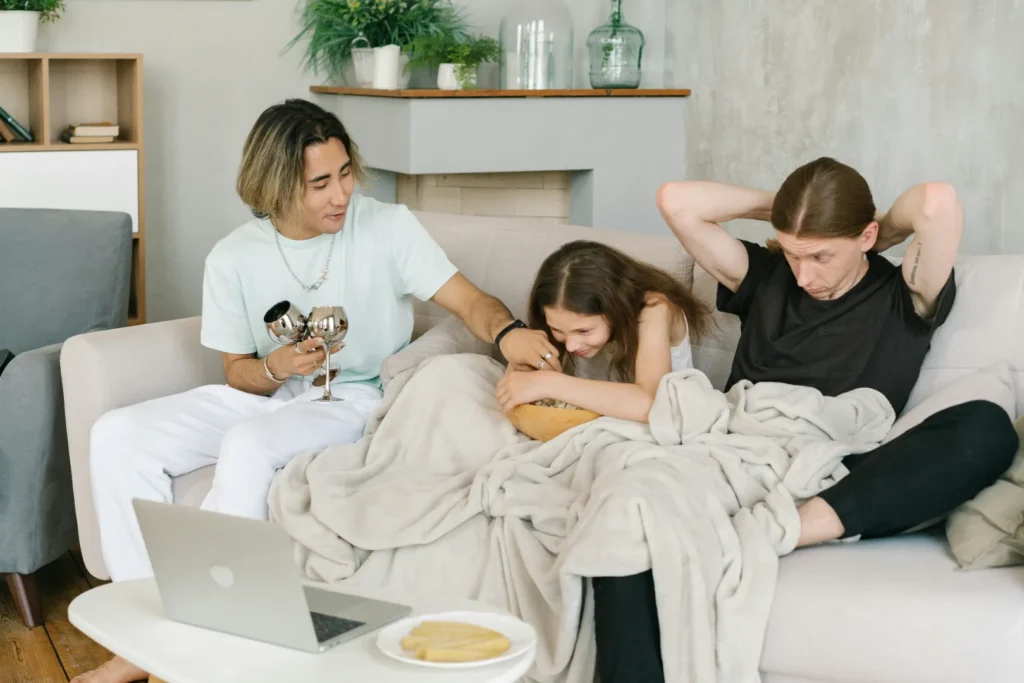
Harmony within a family is a term that is applied to denote emotional attachment, sharing of respect and shared responsibility within a family. It shows how the family members converse, support one another and overcome adversities. When family relationships are good, then individuals feel free to express themselves and they are definitely being supported by the closest people who are close to them.
Harmonious family atmosphere does not create the necessity of personal differences in personality, opinion and lifestyle to be in a constant clash. Instead the family members learn to co-exist with diversity but have common values without necessarily controlling or transforming one another. Through this acceptance, tension will be reduced and space will be given to cooperate with each other and know each other.
The household family harmony also involves the emotional regulation. Having emotions identified and handled positively, trivial issues will have little time to turn bitter. This kind of emotional sensitivity adds to the trust and the faith that the family is a safe place to grow and heal.
A long-term stabilizing factor is family harmony and helps the family to get through the transition in life such as changing career, getting older, getting sick or having more children. It also creates a strength of resilience in the sense that it makes the family members remember that they are not the only ones facing hardships.
The Communication as the Center of Family Glorification.
Family harmony will only be possible through proper and respectful communication. The absence of dialogue leads to misunderstanding that can be developed quickly and without the use of emotional distancing or frustration. By taking the aspect of open communication among families they are in a position to make a scenario whereby one is able to discuss problems that are being faced at an early stage and finding a solution within the family.
The aspect of listening is also much essential in improving the harmony of a family. The members of the family feel valued because of being a good listener with a non-interrupting and non-judging attitude. The habit enhances being more honest and less defensive, and therefore making conversations more effective and less emotional.
Spending time with the family is good and this assists in the establishment of healthy conversation. Whether they dine together, check-in arrangements, these events may assist the families to get back to each other, discuss their issues, and tell about the successes. Constant communication improves the emotional bonds and eradicates loneliness at home.
Healthy communication also involves boundaries and the articulation of the needs. When family members can demarcate their boundaries in a respectable way the conflicts are minimal and understanding is enhanced in the case. Long run harmonies of the skills include the fact that they assist in the promotion of fairness and emotional balance.
Love and Family Cohesion.
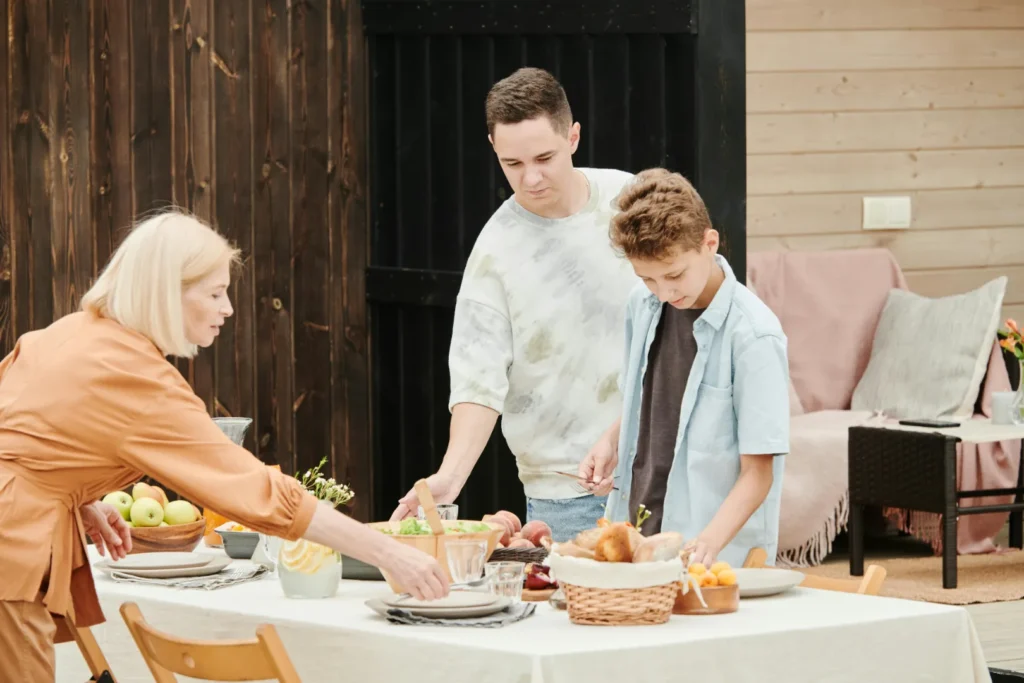
The primary intention of sustaining the harmony of the family is the emotional care. Families that appreciate emotions have good atmosphere in which individuals are at ease to be themselves. It is this emotional openness that creates this level of trust and allows the family members to be able to help each other in their joyful and in their troubled moments.
Emotional model provides both children and adults with positive coping skills. When the caregivers are calm and responsible in their expression, they provide examples to the other caregivers on how to deal with emotions without suppression and aggression. This negative emotional modelling can be used to maintain resilience and reduce emotional tension in the household.
Acts of comforting during hard moments build family relationship. Stress and anxiety, disappointment cannot be got rid of but being aware of responses will help in preventing the withdrawal of emotions. Even such trifles as sympathy can be highly effective in the emotional attachment.
Family harmony will occur when emotions are perceived as a message and not as a problem. Emotional needs facilitate the management in enabling the family to react in a nurturing manner and not conflicting and also improves emotional attachment and stability.
Physical Health and Community Care.
Physical wellbeing facilitates peace in the family as it boosts energy, mood and the overall wellbeing of the family. When every member of the family follows healthy habits, they are able to extend the concept of teamwork and collective responsibility to wellbeing. These habits are good routines, which are beneficial to all the family members.
Health and bonding- Cooked and eaten with other people healthy meals promote health and communication. The time to eat is the time to chat and bond and assist in making relationships and at the same time encourage a healthy diet. They are rituals that are the strongholds of sanity in busy schedules of families.
Physical activities cover almost all of the time enhance family harmony. Even the most simple activities such as walking, stretching or outdoor games encourage teamwork and enjoyment. The physical motion ensures the interaction of the family members becoming more positive because the physical movement reduces the stress and increases the emotional balance.
A much-needed break is also critical. The habitual sleep routines help in better concentration levels, patience, and regulation of emotions. When families begin to view rest as the value of a collectivity, daily interpersonal communication would be less violent and supporting.
Offering Supportive Home Environment.
A home environment should be conducive in maintaining harmony in the family. The physical and emotional setting of the house defines how family members are influenced in terms of interactions and stress resilience. Even small modifications could contribute greatly to the pleasure and attachment.
Space wastes are reduced by orderly system. Where the house is easily manageable and the environment is not tense the members of the family feel a lot less stressed and relaxed in their daily routine. This sense of order underlies this emotional wellbeing and cooperation.
Routines are stable and provide form and stability especially to children. Previous information on what to expect as well as helps in managing emotions. Routines are also effective in making decisions and reducing conflict on duties.
One should also be considerate of personal space in the house. One must be given personal rest and interests as well as maintenance of family ties but not overindulgence on a person. The personal space and togetherness are compatible and increase harmony in the long-run.
Children Family Harmony Values.
Children are mostly allowed to see the harmony in the family. They copy behaviors when they see caregivers expressing themselves in a respectful and controlling way of expressing emotions, and they have to empathize. Teaching by example is one of the best forms of family care that is used to teach harmony.
The fact that children are able to participate in the domestic chores will bring a sense of belonging and cooperation. Age related jobs make the children feel that they share a common duty and they could assist the family. This participation increases the trust and admiration.
Problem-solving is useful in family peace in the long term. Emotional intelligence and resilience in children are developed through helping the children to speak out, compromise, and make their mistakes. Such skills provide them with healthy external family relationships.
The peace of the home is reinforced when this benevolence and compassion are preached. Children are able to learn how to place themselves in the shoes of other people and this will enable them to create an emotional bond with each other and this will make them a better family once they are taught to position themselves to the shoes of other children.
Stress Management to Saving Family Strife.
Stress can also cause a problematic family harmony that was disregarded or not controlled. Family members that address stress in public reduce the impact and do not accumulate the emotions. By admitting the stress as a normal phenomenon, the cooperation and not the accusations are encouraged.
Discussion of stressors will make the family members feel acknowledged and admired. Whether the stress is work, school, health or finances, free communication opens the doors of the usual solution of any problems, and emotional empting.
There is increased resilience as common coping strategies. Emotions may be managed and one can stay balanced by spending time together, patterns of relaxation, mindfulness activities. Emotional attachment and trust are enhanced by the commonly practiced ones.
The feature of external assistance on demand is the sign of family harmony. Tools, which would be of use in addressing complex challenges and healthy relationships, can be found in a professional consultation, or community services.
Technology, Family Harmony and Balance.
The modern family life also relies on the element of technology and it can bring the harmony to the family or ruin it. Good use of the electronic appliances may ensure that families do not lose quality time togetherness.
Establishing limits to screen time to protect relationships within the family. Technology-free time is one of the methods of promoting talk and physical presence which promote emotional bonds and mutual experiences.
Peacefulness may be enhanced through the intentional application of technology. Video conferencing to the extended family, shared educational or entertainment can be used to have connection when it is developed prudently.
Education to be responsible in the digital world provides children with healthy habits. When the adults demonstrate balance, children learn how to utilize technology in a way that does not omit the real connection.
There are advantages of Family Harmony in the Long Run.
A long term emotional and physical health is attributed to long term family harmony. The less stressful aspect is also associated with connective families because the relationship and general life satisfaction is better.
Children raised in non-violent families will be more self-confident, emotionally intelligent and stronger. These qualities contribute towards educational, relationship and personal growth in life.
Adults find support and emotional stability in each other. Peace among the members of the family is superior to burnout and strengthens partnerships hence they are willing to encounter challenges collectively.
There is even the family harmony that leaves a long-term heritage. The generations create the valuable communication habits and values which make families and societies stronger.
Conclusion
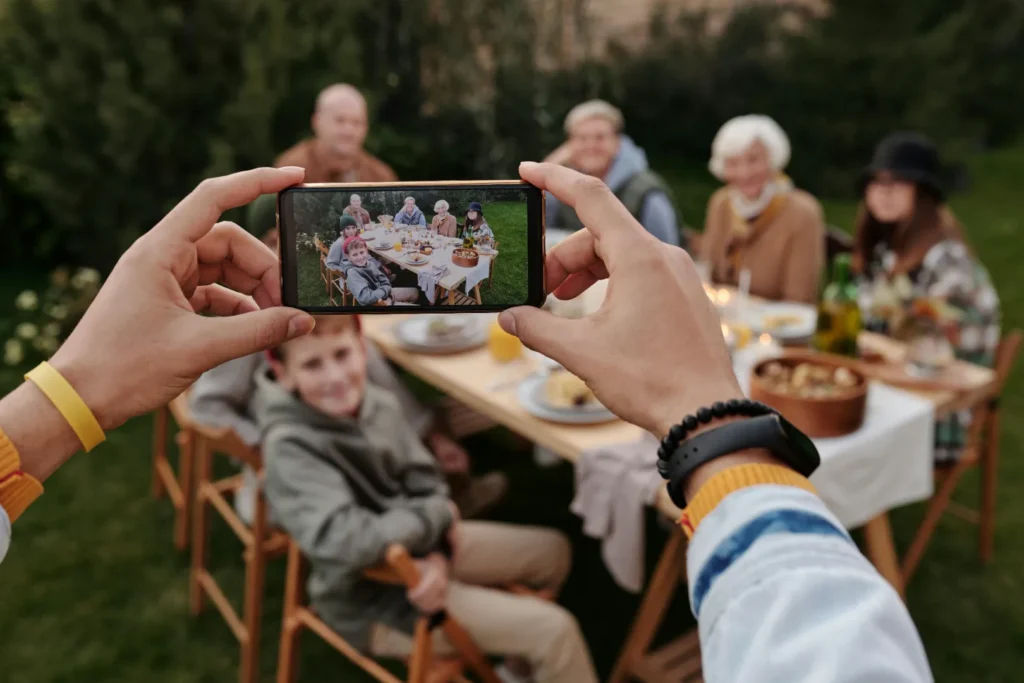
The day-in, day-out care, sharing and free interaction boosts harmony in the family. An environment in their houses where families can cultivate their members at all levels of life can be developed with the help of paying attention to emotional consciousness, physical health, and respecting each other.
Minor yet routine activities such as listening, routines and emotional support have tremendous difference in the long term. The customs foster trust and strengthen attachment within the family.
The discussion of helpful family care materials on the Care My World can be discussed as a guide and inspiration on how to build the relationship with a patient, and maintain the healthy family life. By collecting the information that can be relied upon, the families will have a complete control to make effective decisions that will promote peace.
Harmony in the family is a lifelong process that is attained by being patient, understanding and caring. When families are prepared to develop as a unit, they create a good loving and supportive environment where every member feels safe, cherished and integrated.

