
Introduction
Healthy, supportive, and emotionally safe home has its foundation on family care necessities. The families within the contemporary world have been experiencing increasing pressure of health, time, emotional, and care giving. The ability to care about each member of the family in the balanced and thoughtful way will enable to create the supportive environment within which each of the family members would be able to thrive. Family care essentials are advantageous when implemented on a regular basis since they promote relationship and support in minimizing long term wellness.
Making a family is not merely a process of attending to the physical needs only. The emotional assistance, psychological well-being, healthy lifestyles and prophylactic care are all essential in establishing harmony at home. It is the failure to locate workable advice that can be used in the actual life situations which causes most families to struggle to locate the advice which shall be applicable to the real life conditions. It comes easy and aware gestures that can lead to considerable shifts in the current condition of family health.
No family is the same but the primary principles of family care requirements are universal. On the one hand, deliberate care will help families in different difficulties to adapt and develop, supporting the young children, on the other hand, the aging parent and balancing both of these roles. By prioritizing wellbeing at home, families will be able to work on their own wellbeing and create a safe environment that will aid them throughout all life stages.
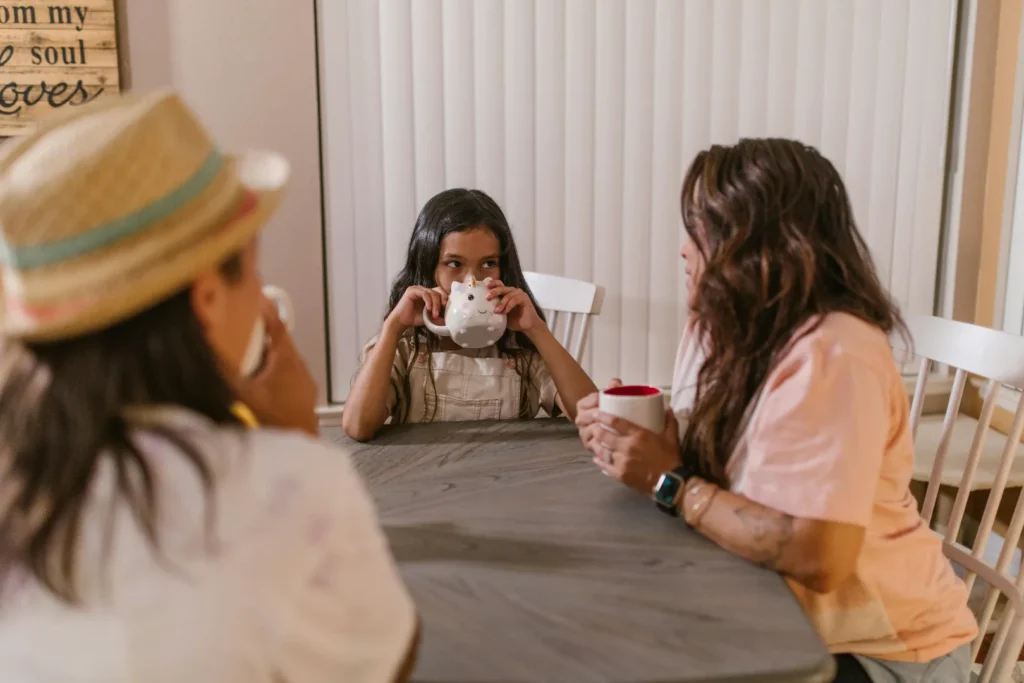
Knowledge of the Heart of Family Care.
The core needs of family care begin with the establishment of different needs in a family. The physical, emotional and developmental needs of all the family members also change with time. It involves the benefit of becoming flexible and aware and communication in good family care. When these differences have been identified by the caregivers, they can provide personalized support unlike the standard or forceful support.
The prevention and not reaction are the foundations of effective family care practice. Healthy lifestyles, regular checkups, and honest conversation promotion will contribute to the reduction of stress and the minimization of risks of health disorders. This initiative approach will allow the families to confront matters early enough hence creating a sense of security and confidence. Such practices become the elements of the everyday life in the long run.
Emotional safety is also another significant element of family care requirements. When people feel heard and valued, a house helps to promote the health of the mind and the self. The emotional ties are also increased by creating opportunities to be close to each other, such as having a meal together or visiting each other frequently. Such are the moments when families are typically kept together by the trouble.
Cultural values and traditions also determine family approach towards care. Families are able to make a transformation by considering these factors whilst remaining free to new ideas without losing their identity. Mutual expectations and values are what should be in line with family care necessities because they help to achieve the best results.
Activities that hold family wellbeing on a daily basis.
The daily operations are extremely influential on the reinforcement of the family care necessities. Regular practices are also highly organized and less ambiguous especially to the children. These are trivial routines like eating routine, bedtime routine and combined activities, which help a family to run smoothly and help de-stress their lives in the day-to-day life.
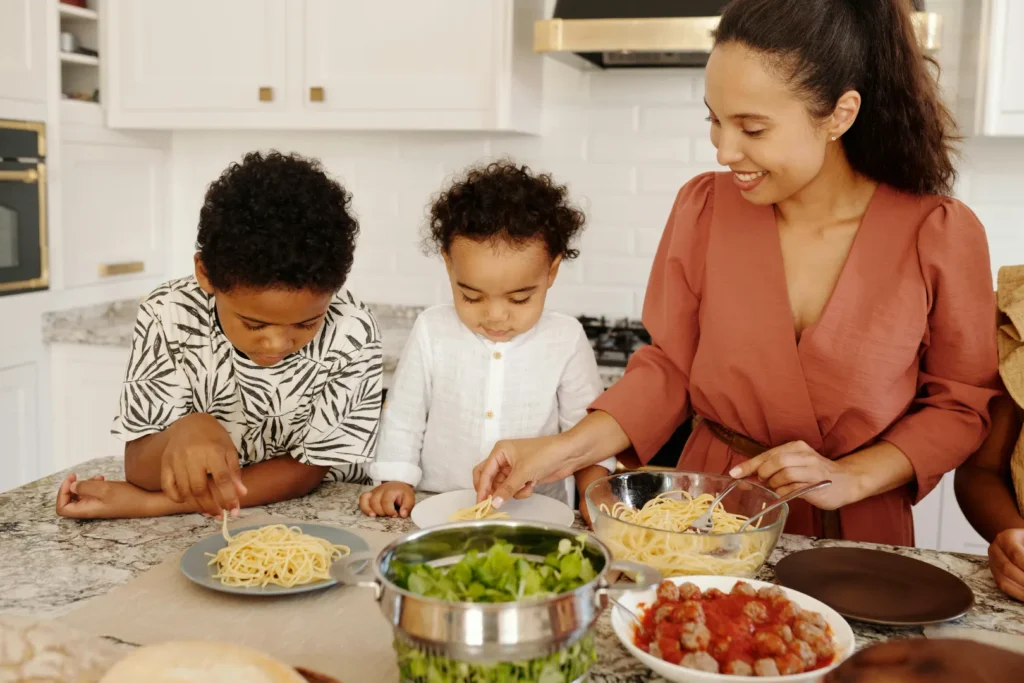
Dining is one of the pillars of family day to day life. Dining together makes eating healthy and offers an avenue of mutual bonding. Conscious consumption and healthy diets are also raising a long-term health in families and also teach valuable life skills. Even our little added ingredients to our meals can be tenacious to our advantage.
Physical exercise is also another ritual that is needed and helpful to the entire family. It can nourish the body and soul by indulging in frequent movements either in walking or playing games; or by being merely active together. The undertakings also enhance teamwork and this makes one have a joyful experience that nurtures relationships.
The sleeping schedules are not put into consideration and play a very crucial role on the family care necessities. Ensuring that all the family members have an adequate amount of sleep improves the mood, concentration and immunization. Incident preparation of relaxing bedtime routines will see every one revitalize and prepare the home to the next day.
Emotion in the Family.
The family care necessities are the ones that address the emotional wellbeing. Since emotional support is very essential in families they offer them the environment where individuals can feel secure enough to express thoughts and feelings. Listening to one another, being able to understand and forgive are powerful skills that can build trust and understanding among the family members.
Open communication helps the families to solve the conflicts in positive ways. Conflict is a natural thing and through the ability to amend differences in a decent manner, one will not see resentment build up. The family members will be taught to resolve issues, and this will assist them even when they are not inside the family as they know that they are supported through the tough discussions.
Emotional sensitivity in children is one of the most important elements that should be encouraged. This is achieved through teaching them how to identify and express emotions which leads to the resilience and self-confidence. These are competences that can be acquired due to their old age and facing challenges in school, relationships and in their adult lives.
Emotional support and confirmation should also be accorded to adults. Care givers are more likely to pay attention to other people and neglect their wellbeing. The value of such difference and advocacy of mutual support are the main keys to ensuring that the needs of family care are not only favorable to the people who are given care.
Health Prevention and Health Care.
The family care requires use of preventive health which is very essential ingredient to family care. Routine examinations, vaccinations and screening are useful in ensuring that potential issues are identified early enough. When such families are abreast with the health requirements, they are better placed to make health related decisions which protect long term health.
The basis to a life long habit is education of children about hygiene and practice of basic health. The fundamental education about handwashing, oral health, and personal responsibility make them strong to do something about their health themselves. These are preventive practices, which are good in promoting self reliance.
It is also important that the problem of mental health awareness can be applied to family care. Being able to diagnose the signs of stress, anxiety, or burnout would allow reacting empathically and offer other relevant help to the family. Mental health should be normalized by de-stigmatizing it and this will result in people seeking help when they need them.
The other preventative measure is to offer a favorable environment where one can rest and recuperate. The family members will also feel comfortable to rest, whether physically, or emotionally and this will create a sense of trust and enhance the significance of care in the family.
Maintaining children at the different life stages.
The needs of the family vary as children grow and develop. Early childhood care has its issues with safety, emotional attachment and early learning. The years of consequential care contribute to cognitive development and emotional balance.
The family care alters to guidance and encouragement of children as they get into school age. Promotion of autonomy and academic growth also helps the children to build confidence. The noteworthy elements of appropriate care during this phase are equal expectation and positive reinforcement.
Teenage is a fresh issue which requires time and adaptability. Teenagers desire to be self-reliant but they must have rules and restrictions. Some of the family care needs at this stage include open communication, appreciation of that person and empowerment of responsible decision-making.
Positive relationships are promoted at any of the stages, which makes children feel significant and inferior. Implementation of the family care can be optimally achieved by modifying the needs to the dynamics of the needs but maintaining the essence of love and trust.
Caring of the Aging Family.
Family care is not only like this of the children but also of the elderly parents and family members. Participation in assisting the older members of the family requires caring, planning, and communication. The independence and self esteem is made possible by preserving dignity in resolving the physical restrictions and health problems.
The comfortable living conditions are a possible characteristic of geriatric care. The simplified modifications such as improved lighting systems, simple designs, and straight forward aisles reduce the risks and promote comfort. These changes demonstrate respect and appreciation to the revolving requirements.
Emotional support is highly essential in the late life stages. The family members who are old may be isolated or neglected and in this case, connection and companionship may play a significant role. More often than not, the sense of belonging can be attributed to communication, shared behaviors and involvement in the decision making process within the family.
The position of a caregiver is not always easy to balance, and the joint effort brings the family closer. Through the collaboration in supporting the elders, families are also establishing good examples to the younger generations.
Conclusion
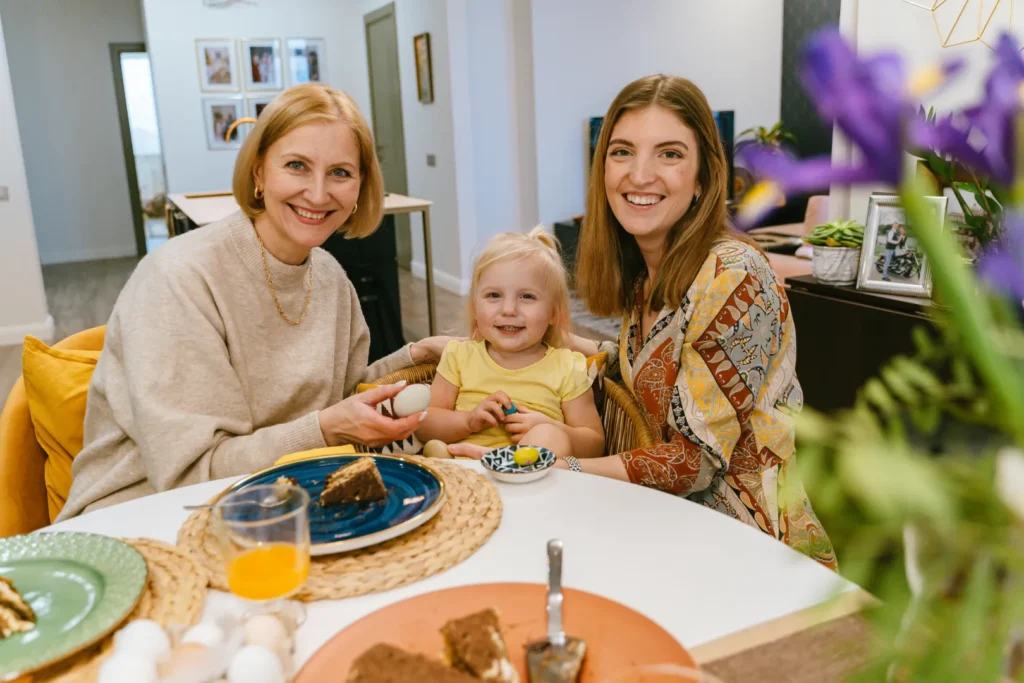
Family level care requirements are not perfection but purposefulness and concreteness. Ensuring the physical health, emotional support, daily life, and preventive care are the priority, the families create the environments where everyone feels valued and protected. These are the practices of resilience which build trust that withstands the fluctuating life situations.
A healthy communication and respect is one of the foundations of family care. They establish emotional connections by being with their family members during the hard times and being there in the instances of triumph. This sense of belonging shapes a part of comfort and permanence in the trying times.
Radical changes are not needed to blend the necessities of family care into the real life. Even the smallest things can be the best difference. Home wellbeing will probably result in a role model that will define the future generations and promote healthy practices in the entire life.
You can visit reliable sources of wellness that Care My World provides to find more recommendations on how to build healthier family habits and supportive cultures. Learning and growing together is helping the families to adapt, live and be present in every stage of their lives.

